Tuesday, May 5, 2015

To Store Aloe Vera


Aloe Vera gel browns quickly similar to the way avocado does when exposed to the air.

How to store Aloe:

Set a leaf in upright in a glass with cut side down for 15 minutes to allow sap to drain. Discard the sap. Cut leaf in half horizontally. Scoop out the gel with a spoon and place in a jar, seal and store in fridge. To keep it from browning, open a vit. E gelcap and add to gel. Use as needed.

Whole aloe vera leaves may also be wrapped then frozen.

Sunday, September 21, 2014

Garden Review 2014


Garden in Review 2014


This year, I planted the cucumbers to grow upward in a new garden that was shallow. The soil needed more amendments as it got very hot this summer. Five plants produced about 20 cucumbers.


Tomato plants numbered 15 and did well. This is the first year I grew vine tomatoes and was surprised by the pink color and taste full of flavor. The rest were Beef Steak except for one grape tomato plant that was a volunteer from last year and did well.
Vine Tomatoes, Basil and Swiss Chard


Tomatoes
Vine Tomatoes


Vine Tomatoes
Platter and glass from a garage sale.


Grape Tomatoes

Swiss Chard and Basil did very well.


Basil with Oregano and Cilantro going to seed.

Basil and Dill
Swiss Chard, Marigold, Alysom

Lizolivia


Friday, August 8, 2014

Research Shows Organic Grown is Healthier


The largest review of published data on organic food ever conducted reveals organic food really is much healthier. 343 studies were reviewed by an international team in Newcastle University in the UK. They concluded that organic produce is higher in antioxidants, lower in toxic heavy metals and much less contaminated with pesticide and herbicide residues.

The British Journal of Nutrition published the study that compared and evaluated the nutrient content of produce grown from both methods. Researchers analyzed the polyphenolic content levels of organic micronutrient compounds. Polyphenols have been linked to a reduced risk of chronic disease, cancer and serious cardiovascular and neuro-degenerative diseases.

Eating organic produce is like eating one or two extra portions of fruit and vegetables. For ex., eating an organic apple may be the nutritional equivalent of eating three that were conventionally grown. Not only does organically grown contain higher levels of nutritional value, it is also less contaminated with toxic heavy metals, such as cadmium, and crop pesticides, most of which contain glyphosate, prevalent in conventional produce.

Lizolivia

Monday, August 4, 2014

Thursday, July 31, 2014

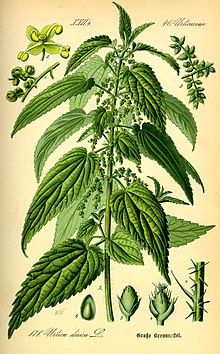
Stinging Nettle Rash, Treatment and Uses

This is stinging nettle after it flowers. The plant has six subspecies and five have many hollow stinging hairs called trichomes on the leaves and stems that act like hypodermic needles, injecting histamine and other chemicals that produce a stinging sensation when touched.

Hydrocortisone cream, calamine lotion and a paste made of baking soda with a little water may provide relief. Anything touching the rash can inflame it again. Stinging Nettles tea has a long history of medicinal use for allergies, asthma and bronchitis.

Nettles As a Food Source

Native Americans harvested the plants, before they blossom and go to seed, when other food sources were scarce. Soaking stinging nettles in water or cooking removes the stinging chemicals from the plant, which allows them to be handled and eaten without incidence of stinging. After the stinging nettle enters its flowering and seed setting stages the leaves develop gritty particles which can irritate the urinary tract.

The flavor is similar to spinach and cucumber when cooked and is rich in vitamins A, C, iron, potassium, manganese, and calcium. At the peak of the season, nettle contains up to 25% protein, dry weight, which is high for a leafy green vegetable. An herbal tea can be made after drying the leaves. Nettles is very popular in Northern India as a vegetable cooked with Indian spices.

In the Garden

Stinging Nettles attracts beneficial insects and also adds nitrogen when composted. Although low in phosphate, soaking it in a bucket of water for a few days makes a liquid fertilizer that supplies magnesium, sulphur and iron.

Nettle Rash

Stinging Nettles


Lizolivia

Monday, July 14, 2014

Preserve Your Basil Harvest

Trim back the plants early in the day before the sun heats them up. Cooler temperature retains the oils for better flavor. Keep at least one third of the plant for continued growth.

There are several ways to preserve Basil:
  • Gently tear or trim the leaves from the stems and lay them on newspaper or paper towels. When dry enough to be crumbled, store the dried Basil in baggies or jars in a cool, dark place.
  • Put the stems of freshly trimmed Basil in a container of cool water and change the water every day.
  • Chop the Basil and put it in ice cube trays. Fill with water and place in freezer. After it has frozen, transfer the Basil cubes to freezer bags and store in the freezer. Keeps for up to seven or eight months.
Sageymania

Monday, May 5, 2014

Grow Healthy Tomato Plants

Tomato and Basil
Companion Plants for Tomatoes

Tomatoes grow well with Basil, Parsley, Sunflower, Calendula, Mint, Garlic, Onion, Lettuces and Nasturtium.

Keep Corn and Potatoes a good distance from Tomatoes. Calendula (Marigold) works as a pest deterrent as well as Nasturtium, Mint, Garlic and Onion.

If you prefer that the mint does not gradually take up more space, it can be grown in medium to large pots and containers.


To keep tomato plants off the ground:


Plant your tomato plants fairly deep, they have a very long root system. Hammer a stake 4" (inches) to the side to gently tie the plant to as it grows. An old pair of nylons cut in 6" lengths works well as ties.
Sow a sunflower seed of the giant variety on the other side of the plant. When the plant grows taller than the stake, secure it to the sunflower stalk.

Water to keep the soil moist and fertilize the soil around the plants once every week.

Sageymania

Monday, October 14, 2013

Harvest before Fall


Now that the green bean plants have about finished for the season, the Hyacinth beans I planted for the fall are growing on the vines. They are a tropical variety that grows about five feet long and the beans are similar to large lima bean pods. The greens can be cooked the same as spinach leaves only do not consume the water.


Peas are another cool hardy plant that are great for fall planting. Butternut squash did well as did cherry tomatoes, cucumbers (24 jars of pickles), potatoes and Swiss chard which I've been cooking every few days.

Roasted Tomatoes

Roast your cherry tomatoes by first halving them. Place on a cookie sheet and coat with olive oil and a bit of salt and pepper. Arrange them to face upward and add a few smashed non-peeled garlic cloves. Bake at 200 degrees for 2 to 2 & 1/2 hours. Roma tomatoes are good baked this way also except increase the time a couple of hours. Use the roasted garlic in spaghetti sauce and pesto.

Wishing you a great harvest,

Sageymania

Sunday, July 28, 2013

When to Pick Vegetables

At Harvest Time

It can be difficult to discern whether some vegetables are ready to harvest. They may appear to be mature but how can we tell for sure. There are tips and tricks to knowing when your vegetables are ready to pull from the vines.
Click the following link for a guide to help you know when to harvest your vegetables.

A Guide to Know When to Harvest Vegetables.

Happy Harvesting

LizOlivia

Sunday, February 10, 2013

Plants That Do Well Together: Companion Planting

Companion Planting a Garden
Companion Plants Bring Harmony to the Garden

The following are important advantages to planting certain vegetables near other certain vegetables in your garden:
  • As an effective way to minimize the need for insecticide.
  • Attract insects that are beneficial to the growth of the vegetables.
  • Repel harmful insects.
  • Help amend the soil with nutrients for other plants that require them.
  • Take up nutrients from the soil more than other plants.
This guide describes the companion planting method and plants that work well together.
Grow a Vegetable Garden the Easy Way 

I use this method and find it to work well in growing healthy plants.

Write about your gardening for Hubpages and earn residual income, Sign Up Today!

Saving Seeds Exchange

Seed Savers Exchange began as a simple exchange of seeds among gardeners seeking to preserve the rich gardening heritage their ancestors had brought to this country.


Gathering: Memoir of a Seed Saver by Whealy, Diane Ott

Sageymania

Saturday, February 2, 2013

How to Plant and Prune Lavender


Plants have traits that are good for the garden and one such plant is Lavender. It is from the mint family and was first only grown in France and the Mediterranean region. Lavender is fragrant and although it is primarily grown for the aromatic oil, it is also used as a fragrant herb for crafting and decorations. Similar to other mint plants, it too can become invasive, gradually taking over a larger area than you may have anticipated.

Planting Lavender

Lavender grows well in all soils, but grows best in a soil that is well-drained and sandy for its alkalinity. Acidic soil can be neutralized by adding limestone before planting to obtain a pH level between 6.4 and 8.2. It also grows best when being propagated by root divisions. Stems cut in the spring root much faster compared to fall trimmings.

Lavender Seeds

The seeds of Lavender are either brown or black and are oval in shape. They are gathered on a sunny day in late summer soon after they have began to dry. Set a paper bag beneath the flower heads and shake. Lay some seeds on top of sandy compost in a pot and top with a thin layer of compost. Set out of direct sunlight and moisten them periodically.

Slightly larger pots may be needed before spring arrives. Use an airtight container or baggie to store additional seed, keep them in a dark location and use within a year. Lavender seed kept over a year may not germinate.

Rooting Stem Cuttings

Whether from springtime or the fall, cut stems produce plants much quicker than seed and is the easiest method. Cut a healthy four inch length including the heel part. Dip in rooting powder or solution and plant one inch deep in sandy compost. An alternate for rooting powder is to dip the stem in cinnamon 1/3 inch deep. Slightly dampen and set out of sunlight. Growth should appear in six weeks, and roots by the end of August when it can then be planted outdoors.

If you have harsh winters you may choose to keep it indoors until after the last frost the following spring. Lavender in a pot needs no more than two inches of soil around the root ball. Water as needed and fertilize once each month during the winter.

Dried Lavender
Here is page describing items to make with dried Lavender. It opens in a separate window. 

How to Prune Lavender

Trimming back the floral spike shortly above the bloom helps the plants to grow fuller in the first year of growth. English varieties need pruning in the spring and again in early fall to keep it even. As a perennial, it may thrive for two decades. Tall lavender can be pruned back to one third of its height. Lower growing varieties can be trimmed a couple of inches or down to the new growth. New growth should always appear before pruning in the spring. 

Potential Infection

Root rot may develop in soil that is overly wet for a period of time. Improving the drainage and raising the soil should help lessen the chance for infection to take hold. Lavender plants may require protection from harsh cold winds throughout the winter and will stay healthier planted near a solid fence or wall. Another way to help keep them warm is to lay mulch or straw over the soil. Air circulation can be increased by pruning around the base at the stem.

A Fragrant Addition

Lavender makes a fragrant addition both indoors and out. Whether in your garden or home, the scent is calming and the plant serves many purposes. By the time the end of summer approaches, you may find yourself in need of some tips and ideas on how to use Lavender.

Sageymania

Tuesday, March 6, 2012

Planting Seeds Indoors


Sowing seeds indoors expands the time allowed during the season to yield a larger harvest. Plants will produce several weeks sooner when you have seedlings to plant after the last frost instead of seeds. Getting the first harvest in sooner also allows extra time to plant another group, whether the same or a different vegetable. Soon after transplanting the first seedlings, sow another set of seeds to transplant when the first set has finished producing.

Sow tomato seeds early indoors since they need three months to grow. Place seed pots in a sunny warm location. Eggplant doesn't do well when transplanted, so use 4" pots with several seeds each and transplant only once. Nutrients in coffee are good for eggplant, so if you have any left in the pot, mix it with water and pour it around the plants.

Compost as organic fertilizer and topsoil.

Compost gives a nice boost to all the plants in the garden. Materials to add to make compost:
  • grass clippings and weeds
  • kitchen vegetation scraps
  • soil and grass from digging the garden beds
  • dried leaves
  • non-color newspaper
  • rinsed crumpled eggshells
  • coffee grounds and used tea bags
Certain materials should not be added to the compost. These include meats, dairy and weeds and grasses that have gone to seed.
Allow enough time for the internal temperature to warm up and breakdown some material before turning it; generally about once every eight to ten days. Turning the compost helps speed up the process. After two or three weeks of adding scraps and vegetation, allow it to rest and begin a new compost heap. The vegetation has to be well composted soil before using it.

Companion Planting

When designing the layout of your garden, you may want to consider companion planting. This is an organic method that helps maintain a sense of harmony. This article describes the method
 Grow a Vegetable Garden the Easy Way.

Thank you for stopping by sageymania. I hope your harvest is bountiful.

Tuesday, May 17, 2011

Garden Bug Repellent

The middle of May has arrived bringing both warmer and cooler weather. For gardeners who aren't in flooded areas, the rain has given the plants a good boost. We haven't had to water as often compared to when the temperature was ninety.

The peas, turnips, potatoes, spinach, lettuce, beets, strawberries and early tomatoes are doing well. The squirrels dug up the corn, sunflower and green bean sprouts twice already. A squirrel feeding station of grain placed a distance from the garden may keep them distracted enough to lose interest in the vegetable seedlings.

Bugs that adversely effect vegetables are difficult to contend with, especially during the hottest part of the growing season. Maintaining the lifecycles of the beneficial insects and bugs is important for organic gardens as they help plants to produce. Following is a list of plants to grow as bug repellents that don't harm the helpful ones.


Cucumber Beetle -This is the pesty bug that lays hundreds of eggs at the base of their preferred plants that you may find sleeping in the open zucchini and squash flowers in the mornings. As they feed they can spread the mosaic virus that will eventually destroy the plants they feed on. The leaves become mottled and distorted looking. Another variety of this beetle has black spots instead of stripes.
Oregano and any variety of mint are known repellent plants for this bug, however both are envasive and it may be a good idea to keep them in containers. Radish also acts as a good deterent. The plants the cucumber beetle likes to feed from are corn, zucchini, cucumber, squash and tomato.

Squash Vine Borers in the moth stage have red bodies with black wings and lay eggs near the bottom of zucchini and squash plants. The eggs hatch into worms that bore to the inside of the branches eating the plant from the inside. The once strong stems become weak and brittle, eventually browning in color and are easily separated when pulled on.
Garlic, onion and marigold are known for repelling the vine borer from zucchini and other squash plants.

White flies can take out every green bean plant in a matter of a couple days in the summer. Marigold, thyme and mint are plants that repel white flies from green beans.

Squash Bugs can multiply at a fast pace in the heat of the summer and weaken the once hardy watermelon, pumpkin and squash plants. The eggs are laid on the underside of the large leaves and can be seen when the leaves are turned over.
Radish, marigold and petunias help to repel the squash bug.
Petunias also deter bean beetles.

Tomato Hornworms blend in with the stems of the tomato plant and aren't easy to spot and can damage the tomatoes.
Basil, sage and marigold repel the tomato hornworm, and garlic with tomatoes help against aphids.

Corn Earworms wreak havoc to the ears of corn. Marigold plants help to keep them from either wanting or noticing the corn.

Spider Mites and Cabbage Moths are repelled by dill.

Cabbage Loopers are repelled by onion, cabbage butterflies by oregano and cabbage worms by sage and borage.

Potato Beetles are kept at bay by green beans, nasturtium and cilantro. However, be sure to keep distance between onion and garlic to green beans.

Flea Beetles can harm cabbage so plant radish, onion, sage and/or garlic with cabbage.
Carrot Flies are repelled by onion and root maggots by garlic.

Deciding how plants are best grouped together when growing organically can be very confusing.  It may make it easier to sketch a design on paper showing how the plants should be positioned in the garden. As long as they are periodically fertilized with compost, are getting enough water and the weeds are kept to a minimum, the plants should produce a harvest.

Organic gardening also yields forth a hefty harvest of patience. Getting a good understanding of the most effective procedures to grow healthy vegetables may take a couple years of trial and error, but it does get easier.

Sageymania

Sunday, March 20, 2011

Eggs From the Chicken House

Having your own chickens is an experience that's both enjoyable and rewarding. Chickens make wonderful pets and provide you with healthy fresh eggs on a continual basis. The compost is also helped by adding the waste droppings from the chicken coop.

The following is a guide for anyone who plans to raise your own chickens from the chick stage.

Bedding:

When using newspaper as bedding, spread paper towels on top for the first 4 days taking the precaution to be sure that the surface isn't slippery. The use of wood shavings with young chicks is not advisable until they learn what their food is because they might eat it which can cause them to die from getting stopped up.
One suggestion is to use either hardware cloth, or an old window screen, and cut it to the dimensions of the brooder. Layer newspaper on the bottom and lay the wire on it. To clean it just lift out the wire and hose it down, replace with clean newspaper beneath it. Either bend the edges under, or tape over the edging so there aren’t any sharp wires to hurt their feet.

If you can anchor the edges, old bath towels also make great brooder floors. Shake them out then wash and dry to clean and reuse them. For small groups of chicks, topsoil absorbs droppings well and allows pretty good traction. This can be added to the compost afterwards.

Heat:

Chicks need 95 degrees for the first week. The temperature can be decreased by five degrees every week until they’re six weeks old and fairly feathered out and unless you live in a very cold area. Note that only part of the brooder needs to be this temperature, as the chicks need to be able to cool off when their bodies need to. If they are peeping a lot, and loudly, they are too cold! When older they'll be able to withstand normal temperatures.

If you don’t have a formal brooder, your heat source is usually a light bulb or heat-lamp. Be careful with these to be sure they aren't too low for the chicks to burn themselves. Also, especially with heat-lamps, be careful that the bedding can not catch fire.


Zoo Med Black Deluxe 10 in Brooder Lamp


Brooding:

Have your housing prepared before the chicks arrive. You’ll need a brooder to keep them in with a size according to how many you’re getting. If it’s got wire sides it’ll be drafty, so make a cardboard windbreak to keep around them for the first week or so. If there are many chicks, it’s best if this is circular so that they can’t get stuck in the corners. If the area is large for the number of chicks, it’s good to confine them this way near the heat so they learn where the heat source is. Small numbers can be raised in aquariums.

Shipping can be hard on some chicks and a sign of that stress is pasty backends from loose droppings. Keep a close eye on them for the first 5-6 days. This can cause them to die, therefore it’s important to check and keep them clean. There are a couple of ways to clean their backends if the need arises:
  1. With a warm moist cloth, softly moisten the stoppage until it can be scraped off, this method is easier on the chick.
  2. Another way to remove the dried gook is to simply pluck it off with the down it is stuck to. Having hairs pulled is more painful to the chick, but has the advantage that without the down to stick to their bottoms, the problem will not repeat itself.
Curled Toes – Another problem that can appear in new chicks is that of curled toes. Sometimes this is genetic, but often it’s a result of some problem in incubation/hatching. In this case, if done in the first few days, before the bones harden, the toes can often be splinted and thereby straightened out.

Feed and Water:

Fresh water should be available to the chicks at all times. As an energy supplement, can add one tablespoon of sugar per quart the first time watering newly hatched chicks. When you first get baby chicks, dip their beaks in the water so they learn what it is.

A chick starter feed should be fed to all chicks until they are 6 weeks of age and can find it at your local feed store. After this time, feed them a pullet grower feed until about 20 weeks (25 weeks for heavy breeds like Cochins and Brahmas). After that, they can be switched to a laying feed.In an emergency you can feed them crushed hard-boiled egg yolk for the first few days.

Types of feed – There are 3 forms of feed: mash, crumbles and pellets.

Mash is powdery, pellets are made of compressed mash, and crumbles are of broken up pellets. Some may find the mash as wasteful and not use it often. Crumbles are great for chicks and pellets for the older birds. They can still pick it up after it gets kicked from the feeders.


Natures Best Organic Feed - Chick Starter 50 Pound

Some feeds are medicated. Coccidiosis is a disease that can kill chicks that have not built up a resistance to it. They can pick it up outside from the droppings of other birds. If your chicks go outside you may want to give them a feed medicated with Amprolium, which controls the coccidiosis while allowing the birds to build up a resistance. Some medicated chick feeds are sold with antibiotics in them. There is no need to waste money on these.

Grit – are small stones that the bird stores in its gizzard that act like teeth and are used to grind up food. Grit is necessary only if the chicks have access to grain or other foodstuffs. Chicks on mash or crumbles don’t need it. You can get a chick-sized granite grit through the feed store or use parakeet grit from a pet store.

Another option for grit is to use old aquarium gravel if it’s small and clean enough. Once the chicks are old enough to be running out on the ground, they don’t need it supplied, as they can pick it up naturally. Please take note that oyster shell is not grit and can cause bone development problems in young birds. It’s used for hens that are laying to supply extra calcium for egg-shell production.

Protection and safety:

Be sure your chickens have plenty of water and shade during the hot summer months. A suggestion to safely raising baby chicks to adulthood requires that you have a rooster. Enclose an extra rooster in with the baby chicks once they are big enough to be moved outside (age 2 to 3 weeks), until old enough to free-range during the day with the rest of the flock. Unlike hens, which might kill chicks they haven’t hatched themselves, the rooster sees the chicks as his “flock” and will protect them and they will imitate him and learn how to forage. The full-grown chickens see the rooster with his flock of little ones and leave the babies alone (no picking on them as they otherwise might).

I’m not sure of the success you’ll have, but some people play a radio at night for the birds, and make sure there is good ambient lighting to deter any wild or stray predators such as foxes, cats, dogs, hawks, owls, coons, etc. Close them in their coop every night with protection overhead, on every side, and from enterring under the fence. The coop can be hooked up to electricity that’s controlled with a timer, optional.

Creep Feeders – For chicks over 6 weeks old!

If you’re going to introduce your chicks to an older flock of birds, this is a good way to make sure they can get to enough feed. In your chicken yard or coop, construct an area where you can keep a supply of grower feed and water with entrance holes too small for the older birds to get in. Confine the young birds for a few days in the separate area, or for at least the daytime, and you can return them to the brooder at night. They’ll learn where the food is and when you open the entrances they will soon start going out. The older birds might pick on them, but it should be fine as the chicks will have a safe refuge to retreat.

Sageymania

Thursday, March 17, 2011

Happy St. Pat's Day!

Today was a beautiful one for preparing garden beds and working in the yard in general. The birds are chirping and the ground is just slightly damp.

I used soil from the compost pile and planted tomato, bell pepper and butternut squash seeds in small containers. Afterward I watered them with luke warm water and covered them with clear plastic wrap using rubber bands to hold it in place. Once they germinate and sprout I'll remove the plastic so they have air. I've yet to start cucumber, onion, chives and cabbage. I would like to grow brussel sprouts this year and this is a good time to start those seedlings also...oh, and of course sunflowers.

Peas are a cool weather plant so this is a good time to turn over some soil and plant peas in the ground along with spinach, lettuces and arugala. This is a good time also to direct seed beets, potatoes, early turnips and swiss chard. I'm hoping to have all these seeds sown before Sunday.

Sageymania

Thursday, March 10, 2011

Sowing Seeds in Vegetable Garden

Seeds to Plant in Spring

Spring Vegetable Garden
For those in their first or second year of gardening, you may be in need of some reminders to get the season off to a good start. If you could use some guidance, the following offers some suggestions, tips and a bit of information. For specific guidelines, you may wish to contact your local agricultural or university extension office.

The first thing is to decide on what vegetables, herbs and flowers you would like to grow and obtain the seeds. Some are tender to the frost and are best started indoors in a warm area; others are hardier and can be planted outdoors from an early date.

Start indoors before the last frost (tender):

3 months before - Chives, Globe Artichoke, Leeks and Onions indoors

2 &1/2 months before - Celery

2 months before - Peppers, Tomatoes and Eggplant

1 & 1/2 months before - Broccoli, Cabbage and Cauliflower

3 weeks before - Cucumbers, Melons, Okra, Pumpkins and Squash


Direct seed outside before the last frost (hardy):

1 & 1/2 months before - Seed Potatoes and onion sets

5 weeks before - Kale, Kohlrabe, Spinach, Turnips and Mustard

4 weeks before - Beets, Carrots, Endive, English Peas and Radish

2 weeks before the last frost - All types of Lettuce and Swiss Chard


Direct seed outside after the last frost (tender):

1 to 2 weeks after - Beans, Peas

2 weeks after - Corn, Watermelon, Pumpkins, Squash, Cucumbers and Okra

The hardy plants will thrive when the temperatures are in the thirties. Fast growing plants can be planted well beyond the last frost date. Also, a Fall garden can be started in late June through late July bring a harvest up to the first frost in the Fall.

Sageymania

Sunday, March 6, 2011

Food Grown from Genetically Modified Seed GMOs

Do you read the ingredient lables on processed foods? Did you know that some of the ingredients in most all processed food products are from a plant that was genetically modified (GMO), with organisms? Genetic biotechnology has become increasingly more widespread, not only in location, but also in the number of various plants being altered.

Many, if not most, people are not aware of all the food products that either contain ingredients that were modified, such as in processed foods, and in canned and frozen vegetables grown from gm’d seeds. The seed manufacturers and the growers of their plants fight against making it a law to label the foods gmo. The European Union passed a law in 1994 that all gm’d foods must be labled as such. Japan and most other countries have also passed a law to label all gm’d foods, including the ones imported from other countries. The U.S., however, continues to battle over this labeling issue, and the scientific reports of the various hazards continue to get suppressed.

One of the seed manufacturers, Monsanto, had an attorney of who was also their Vice President for Public Policy from 1998 to 2001, M. Taylor. This same attorney/VP/PR rep. obtained a key position at the Food and Drug Administration (FDA) in the nineties. He instated a policy essentially decreeing that “it’s all food; there is no difference from any other food; and if the biotech company that created the GM foods say they’re safe, that’s good enough”. That FDA policy for GM’d food remains the same to this day. Some estimates report that Monsanto controls 90% of the global market for GM seeds.

 Policy analyst for ‘Food First’, Annie Shattuck, stated that once attached to a pool of foreign aid funding, the pressure on open markets for biotechnology will be substantial.

 The herbicide resistant gm’d plants use a particular herbicide that goes with the seeds. It contains a chemical, glyphosate that is absorbed by the leaves into the plant. GM’d crops require more spraying than conventional and weeds are developing tolerance requiring higher and higher doses. A study by a molecular biologist at the University of Caen, Dr. Seralini, has shown that Roundup, also a Monsanto product, causes cells in human embryos to die and is an endocrine (hormonal system) disruptor.

Over 85% of the soy crops grown in the U.S. are gm’d, as well as corn, cotton and canola oil. Last January, the USDA past their decision through to de-regulate alfalfa, and recently de-regulated sugarbeets as well. This has been, and continues to be protested against by both conventional and organic growers, as well as ecology enthusiasts and groups. Alfalfa is a primary source of feed for livestock, as is also gm’d corn grain, and is also used worldwide as a field cover to enrich soil.

Sugarbeets aren’t normal beets, rather they’re grown as a sweetening agent used in many processed foods as it’s generally cheaper compared to sugarcane. This is very, very big business. Most all high fructose corn syrup in processed foods is of the gm’d version, as well as soybean oil in dressings and sauces, and msg. Canola (Canada) oil began as a gm’d product with the intentions of being used as a factory lubricant, as it initially was, and is made from the rapeseed plant. GM’d foods and ingredients suddenly appeared in 2/3′s of all U.S. processed foods in 1998, primarily the soy and corn.

Following are some foods that have been, and continue to be, grown from genetically engineered seed:

The U.S. midwestern cornbelt is now predominantly genetically modified corn and soybean. The pollin from gm'd plants are blown into surrounding fields of non-gmo crops and plants. Since the corn in Mexico has been perfected over generations, they’ve made strict regulations to protect their seed variety, crops and fields from GMO contamination. Many sauces such as ketchup, spaghetti sauce and paste, are from gm’d tomatoes.

Some of Canadian’s honey is from bees that pollinate the canola’s gm’d rapeseed crops. This put a stop to Europe’s importing Canadian honey. About half of the U.S. sweet corn acreage in 2009 was planted with gm’d seed. Four or five types of potatoes that include snack foods and processed foods containing potatoes, are gm’d. Cotton oil, generic vegetable oil, and many margarines are gm'd since they contain either soy, corn, canola or cottonseed.

Our meat and dairy products mostly come from animals that had consumed gm’d feed, and therefore causes us to be 2nd-hand consumers. As well as milk and dairy foods from cows that had been injected with gm’d growth hormone, rBGH. Some vitamin manufacturers use some gm’d plant material such as vitamin C from corn, vitamin E from soy, A, D and some B vitamins as well may be derived from gm’d plant sources.

In 2009 there were already over 40 plant varieties having completed the federal requirements for commerce, stated the FDA and USDA. The commodity price of corn has risen 37% over the past few months, and soybeans are up 19%. The manufacturers market the GM seed as more economical...?...

Are their ways to determine the difference at the grocery store?

  • Non-Gmo ‘Project Verified’ is a label being used on products to indicate foods produced without genetic engineering or DNA technologies. These may include foods such as sauces, and other processed and frozen foods.
  • Foods produced by 'organic' standards are also non-gmo, although they generally cost more in comparison to foods grown conventionally.
  • The small produce labels on single fruits and vegetables offer a hint of how they were grown. A four-digit number on the small label is from the conventional growers. A five-digit number beginning with 9 shows it's organically produced, and typically a five-digit beginning with an 8 implies it was genetically modified. Using the number 8 as the first of the five-digit number to denote gm'd produce may have either changed by this time, or may no longer be in use. 
Local Farmer's Markets and small farms in your area will be able to answer any questions about the seed they grow their food from. It's advisable that gardeners and small farmers read seed lables and double check to make sure the seeds aren't of the genetically modified type.

sageymania

Friday, March 4, 2011

Food Prices are Higher and Rising

Have you noticed the prices on various food products at the grocery store has been going up? Every time we shop for food lately, the prices have been inching up slowly but surely. This rise in food costs brings the need to make the effort to plan ahead as much as possible and to be more selective as we shop.

The price of fuel affects the price of exported food causing pressure to increase prices on wholesale and retail food items. The projection of this year's inflation rate was predicted at two to three percent, but the trend is appearing to be closer to four percent.

The world's food prices rose in January to their highest level since 1990, the year when the United Nations first began keeping a record of food pricing. Compared to 2009, the price of beef products increased six percent, pork is up by eleven percent and the price for poultry rose a little over one percent. When we compare some of the prices to 2010, eggs have increased six percent, dairy by three and a half percent and milk is up five percent. The USDA has also anticipated a price increase this year for bakery and cereal items.

According to a Morgan Stanley survey, customers are paying four percent more on their food bill since October. The owner of a butcher shop in Baltimore said he had to raise the prices of most items twenty percent in recent weeks. He stated that although he understands the complaints of his customers, if he didn't raise the prices he wouldn't be able to stay in business.

Now that the economy has been improving, the demand for meat has returned. After a period of low production, farmers are still working to rebuild their supply. It's reported that in over half a century, cattle and hog supplies had reached their lowest levels. Meanwhile, commodity prices such as wheat, corn and soybeans have risen substantially since December.

Because of their low prices, McDonald's sales boomed during the recession, however, they've stated that they will likely be raising the price of their Big Mac and other items over two percent. Many grocery stores said they've been cutting their overhead costs as much as possible to avoid raising their prices for customers, but some are acknowledging it might become too difficult to continue and remain profitable. The times are precarious and the food markets aren't able to perceive future projections. A spokeswoman for ShopRite supermarkets said, "Sometimes you can ride out some of these cost increases and sometimes you can't. It's too early to tell if we can this time".

A family-owned super market in Baltimore, Santonis, said they're always juggling rising food costs on different items. Also, they recently chose, for example, to not stock grapes because they presumed that the prices were too high to sell. Consumers make adjustments by purchasing more of the generic labels, items on sale, beans and less costly cuts of meat products.

source: weblogs.dailypress.com; newsobserver.com

astrolivia

Friday, February 25, 2011

A Happy Harvest

Even with the heat waves throughout the season, I was amazed at how well the vegetables and flowers grew. Since temperatures reached close to 100 degrees F, the plants had to be sprayed every few days with pesticide.

Mix together Lavender oil, hot pepper juice, garlic tea, a couple drops of dish liquid and water. It's recommended to spray after 4:30 in the afternoon to avoid disturbing, and possibly harming, the bees as they pollinate the plants.

Twenty two tomato plants grew, flourished and produced an abundant bounty, as did basil, zinnia, sage, arugula, beets, dill, nasturtium, potatoes, turnips, peas, daisies, cosmos, marigolds, green and lima beans, lettuce, corn and and a few of the giant variety of sunflower. Got a few cucumbers, squash, carrots, zucchini, one pumpkin and a nice head of purple cabbage.

Tansy is a flower that is recommended to repel the yellow and black cucumber beetle.I was unable to obtain Tanseys last season, so the cucumber beetles and squash bugs multiplied during the summer. Another great worker in the garden that repels pests is radish. Grow radish throughout the garden allowing some to go to seed to repel cucumber beetles.

So far this year I've turned the compost, and raked and mulched the leftover leaves from last fall. I'll soon be starting seedlings indoors for about ten early season plants to get a step ahead and lengthen the growing season.

Beware of foods that were grown from genetically modified seed. When you buy seeds, be sure they are non-gmo so that the foods produced from them will also reproduce seed.

Sageymania

Saturday, April 17, 2010

Growing Nicely


The peas, green beans, carrots, chard, potatoes, lima beans, corn, spinach, arugala, turnips and flowers are doing well thus far.  There were many weeds to pull, soil to amend and watering the past couple of weeks.  I prepared a couple more garden beds and plan to use one for tomato, basil, marigold and chives.  The other one for corn, pole beans and watermelon.

Yet to find Nasturtium seeds as pest repellents for the vegetables, and Tansy to repel the cucumber beetle, although Zinnia seeds are planted. I've found that petunias repel the squash bug.

The compost heaps are doing very well which helps immensely, and I continue to add to two new heaps. One is completed, one is almost and there are two new heaps of sticks, weeds, dirt, and vegetation scraps.

Update: The Zinnias have grown tall and healthy, although I have a concern about mildew growing on them. When I grow them this year, 2012, I'll have to watch them to keep it to a minimum. Milk jugs with a bit of milk filled with water and poured in a spray bottle may help to combat mold. Also, keeping them thinned so they get enough air circulation. Even better yet, I'll stop planting them near a solid fence and plant them in areas that are more open instead.

Last season, companion planting worked very well in mitigating the bad bugs and attracting the beneficial insects. The garden environment was is harmony, however I still have to combat the zucchini vine borer (SVB), and cucumber beetle.

There are a few winter varieties of squash that have different stems. The SVB is unable to burrow through to the inside; Seminole squash. I hope to find these, Cucurbita maschatas and Trombochino this year as a summer squash.

sageymania